Understanding the logic behind Soft Builder
Soft Builder operates on a straightforward principle: provide a space where players can arrange simple shapes without specific objectives or constraints.
The game does not have win conditions, failure states, or predetermined paths. Instead, it offers a digital canvas and a set of elements that players can use however they choose.
This open-ended approach means that every player's experience is shaped by their own choices rather than by game-imposed goals.
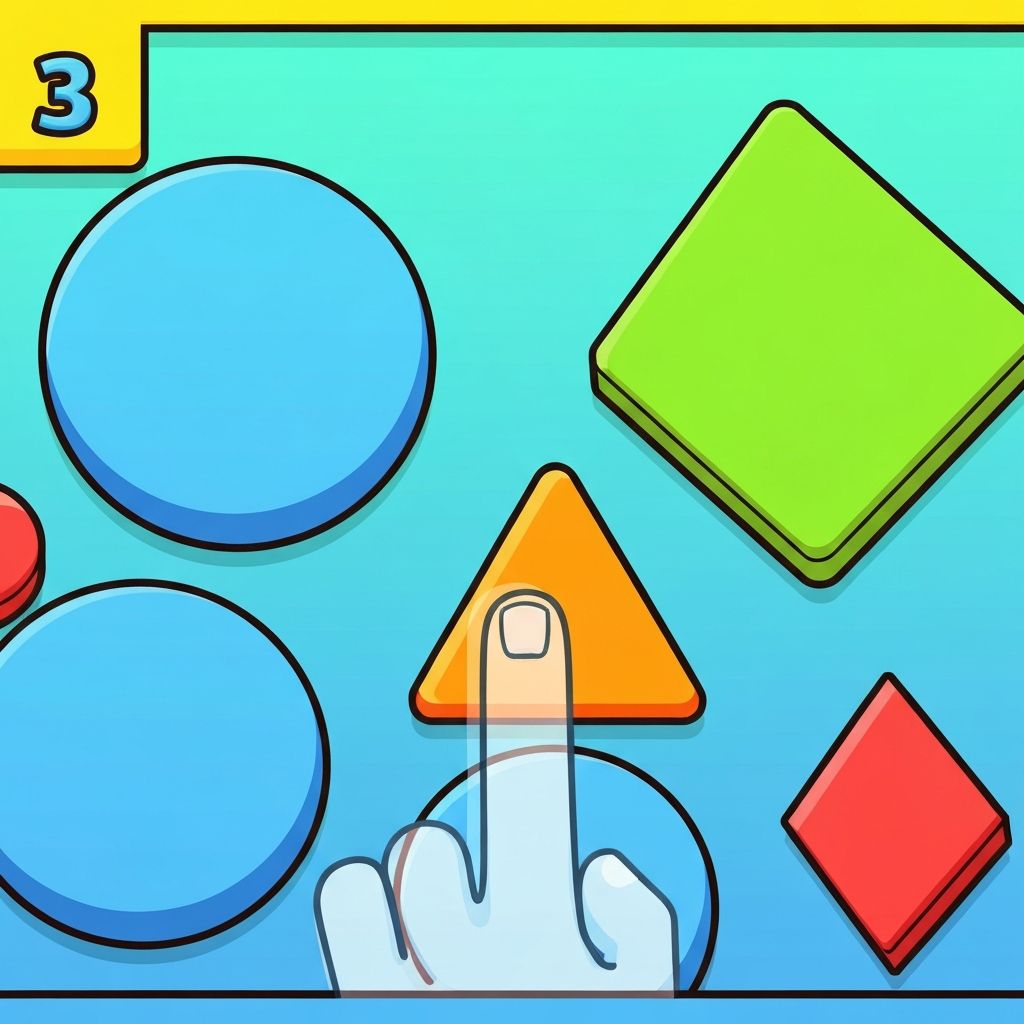
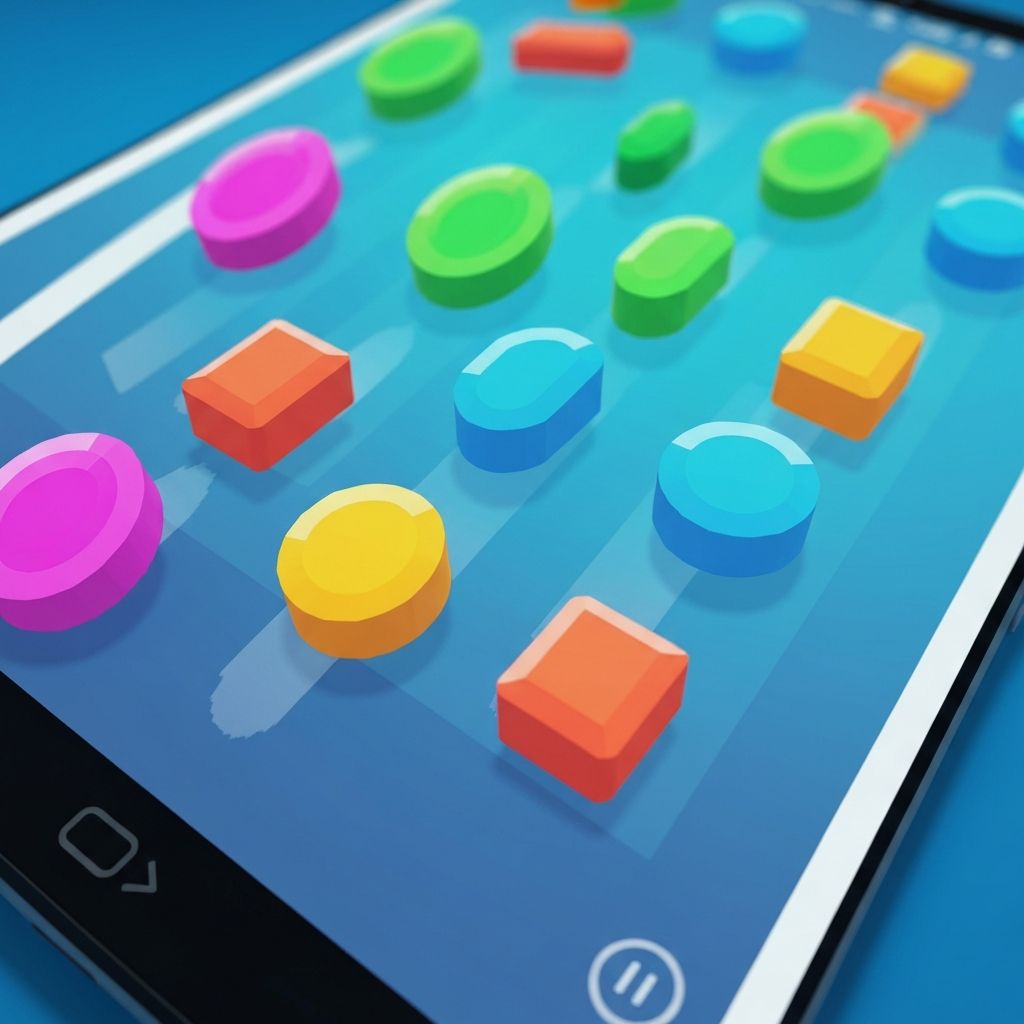
When you open Soft Builder, you see a collection of available elements. These are presented in a way that makes it easy to browse and select what you want to use next.
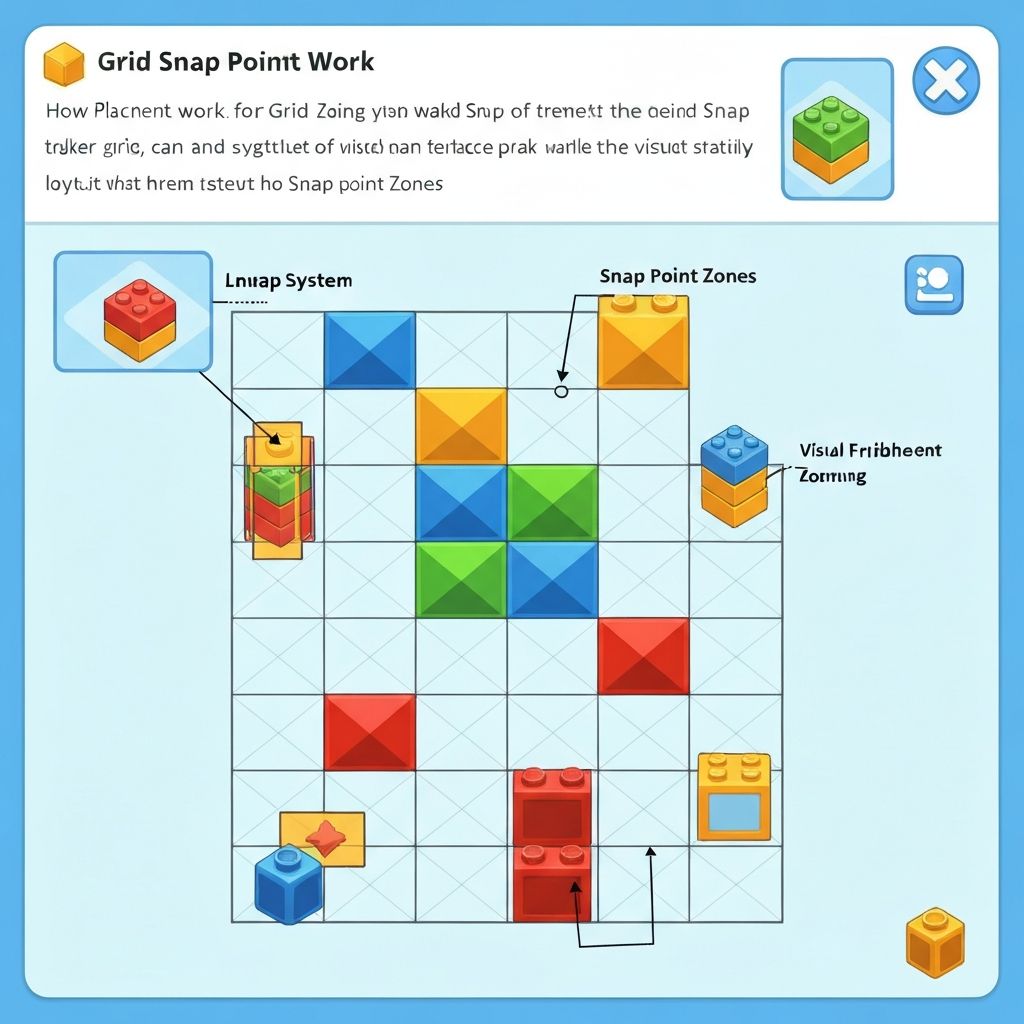
Tapping on an element selects it and makes it ready for placement. The selected element is usually highlighted or shown in a preview state so you can see what you are about to add.
After selection, you drag the element onto the canvas area. As you move it, the element follows your finger or stylus across the screen.
When you release, the element stays in that location. The placement is immediate and does not require confirmation. If you want to move it later, you can typically do so by selecting and dragging it again.
The game environment responds visually to your actions. When you add an element, you see it appear on the canvas. When you move something, it follows your gesture smoothly.
These responses help you understand the relationship between your actions and the game state, even though there is no numerical feedback or score display.
You open the app on your mobile device. The game loads and displays the main interface within a few seconds.
You see the collection of shapes and forms available for use. You can browse these by scrolling or swiping through the selection area.
You tap on a shape that interests you. The game indicates that this element is now selected and ready for placement.
You drag the element to your desired location on the canvas and release. The element remains in that position.
You can repeat this process with additional elements, or you can stop and observe what you have created. The game does not prompt you to continue.
When you are finished, you simply close the app. Your current composition is typically saved so you can return to it later if desired.
The core interaction pattern remains the same across all sessions. You select, place, and observe using the same basic gestures every time.
This consistency means you never need to relearn how the game works, even if you have not played for a while.
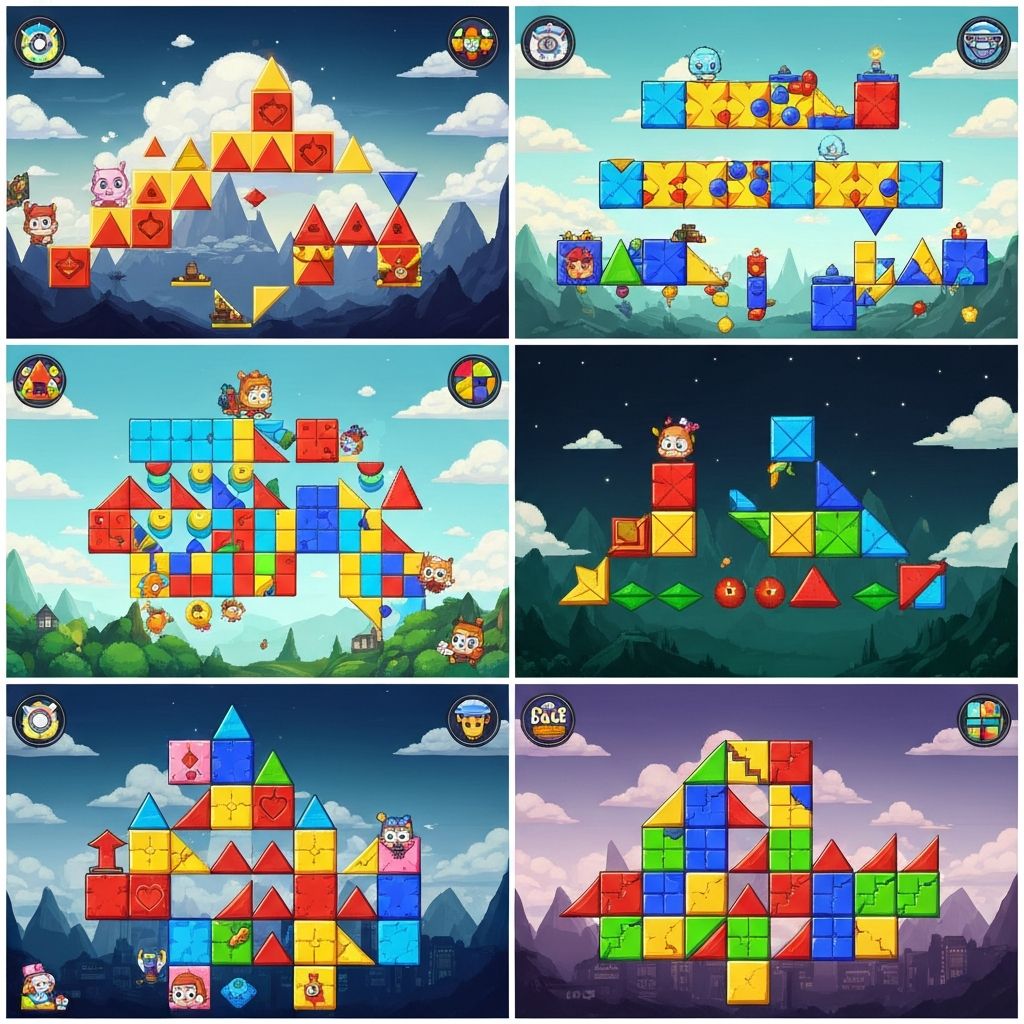
While the mechanics stay the same, each session can produce different results. The variation comes from which elements you choose and how you arrange them.
Two players using the same set of shapes will almost certainly create different compositions based on their personal preferences and choices.
Most games tell you what to accomplish: reach a destination, defeat opponents, achieve a high score. Soft Builder does not set any goals. You decide what you want to create, if anything.
Many games include ways to fail: running out of time, losing all your lives, making a wrong move. In Soft Builder, there is no way to fail because there are no specific criteria for success.
Complex games require time to learn systems, rules, and strategies. Soft Builder uses simple, familiar touch gestures that most people already know from using their mobile devices.
Some games are designed to be played for extended periods. Soft Builder is intentionally designed for short sessions that fit into brief moments of free time.
Many games create pressure through competition, timers, or social features. Soft Builder removes these elements to create a relaxed experience without stress or urgency.
Soft Builder represents an alternative philosophy in mobile gaming. Rather than following common patterns of progression, competition, and achievement, it offers a simpler experience focused on brief, creative moments.
This approach is not better or worse than traditional game design, just different. It serves a specific purpose: providing a quick, creative activity that requires minimal mental investment and fits naturally into everyday routines.